My Dog Died Suddenly: Coping With the Shock of Unexpected Pet Loss
By PetMemorium
- Published:
- Last updated:
When your dog dies suddenly, you may be struggling with more than their absence. You may still be trying to understand how an ordinary day became the last day.
There was something you expected to do together next. Another walk. Breakfast tomorrow. A trip you had not planned yet because there seemed to be plenty of time.
Now someone is asking you a question, and you can barely get past the sentence: My dog died suddenly.
Unexpected pet loss can bring shock, disbelief, or a sense that what happened does not quite feel real. Texas A&M’s pet-bereavement guidance describes these possible reactions to an unexpected death. They are not a sequence everyone must follow or a timetable you need to meet. Texas A&M Veterinary Medical Teaching Hospital
For an ordinary example, imagine moving a grocery bag so your dog can get past you in the kitchen. Nothing about the moment asks you to remember it. You expect to make room for them again.
Then, suddenly, there is no next time.
This article is about that abrupt change—not why your dog died, but what it can feel like to be left in a day you had no chance to prepare for.
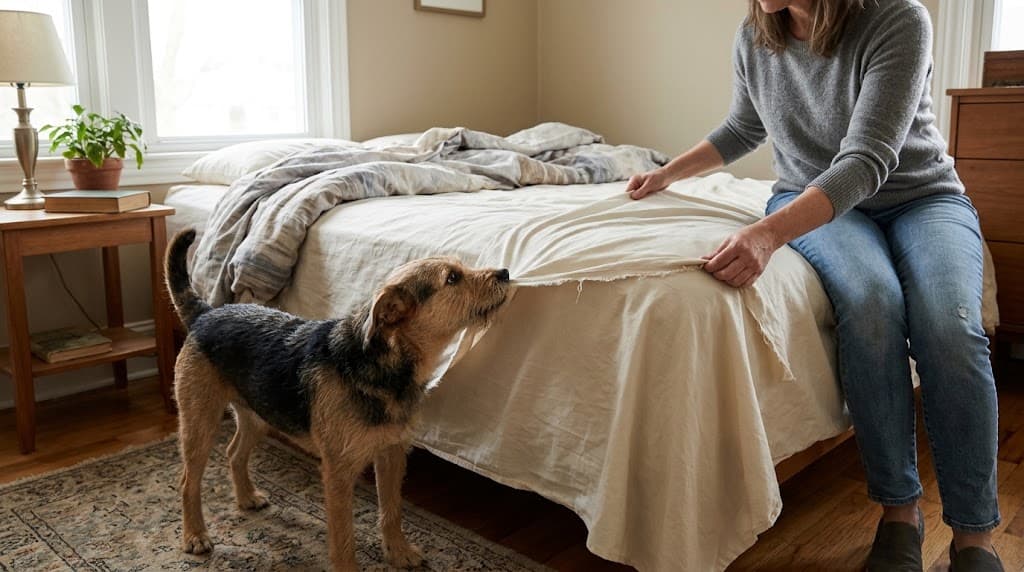
Why does sudden pet loss feel so unreal?
One difficult part is the distance between what you knew yesterday and what you know now.
You may understand the words people are saying. You may have made necessary arrangements. Yet part of your day still carries the expectation that your dog will be in it. You think about getting home before remembering what home will be like.
Knowing something happened and feeling able to take it in are not always the same experience.
When an illness has been identified in advance, there may be time for conversations, changed plans, or some awareness that time together is limited. That does not make an anticipated death easy, and it does not mean someone can prepare for everything. With a sudden loss, however, even that opportunity may be missing.
Colorado State University’s pet-loss guidance identifies deaths without warning and not being present at a death among circumstances that can make grieving more difficult. This is context for understanding the loss, not a judgment about how you should respond. CSU Veterinary Health System
You do not have to describe yourself as accepting it before you have words for the shock.
For now, a plain sentence can be accurate: I know what happened. I am still trying to take it in.
Why do I keep returning to the last ordinary day?
You might remember something small with unusual sharpness: where you put their bowl, what you said before leaving, the sound of them moving in another room.
Then the day runs through your mind again.
There may be different questions inside that return. You might want information about what happened. You might be wondering whether something could have been different. Or you might simply want to reach the part of the day when you still expected life to continue as usual.
Those are not all the same need.
If you have questions about the circumstances of your dog’s death, bring the observations you remember and the questions you have to the veterinarian familiar with the case. Replaying the sequence by itself cannot establish a cause of death. This article cannot tell you whether there were warning signs, what your dog experienced, or whether a different action would have changed the outcome.
If the replay has become an accusation against yourself, When Guilt Follows Your Pet’s Death addresses that question separately.
But there may be another sentence underneath the questions:
Yesterday, I thought we still had tomorrow.
You can tell someone that without turning the conversation into an investigation. You might explain what you had expected next—a weekend outing, an ordinary evening, another morning together. The unfinished plan matters because it shows what changed so quickly.
You do not need to make it into a lesson.
What if I never got to say goodbye?
You may have imagined a different ending, even if you had never put that wish into words: time to sit beside your dog, speak to them, or simply know that this was an important moment.
Not having that chance is something you can miss in its own right.
You do not have to pretend the last interaction was the goodbye you wanted. It may have been hurried, ordinary, or something you barely noticed at the time. You may not have been there at all.
This article cannot tell you what your dog understood in those moments. It would not be honest to invent an answer on their behalf.
What you can name is your own unfinished wish: I wanted more time with you. I wanted a chance to say something.
There is no requirement to turn that wish into a ceremony or a beautiful piece of writing. If you eventually want to address your dog directly, our guide to writing a letter to a pet who passed away offers a separate place to begin.
You can also leave the words unwritten.
Not getting the farewell you wanted does not oblige you to manufacture one now. You can acknowledge the missing opportunity without deciding how to answer it today.
An ordinary memory does not have to explain the ending
After a sudden death, a recent photograph can acquire a question it never originally contained: Was there something I should have seen?
Medical questions belong with an appropriate veterinarian. You do not have to use every picture, message, or remembered movement to conduct that search yourself.
If you want to preserve something, you could keep an existing photo or video as it is, without asking it to explain what happened afterward. You do not need to choose the final image. You do not need to look today.
An ordinary moment was allowed to be ordinary when you lived it.
You were making dinner, changing the sheets, or waiting for your dog to finish sniffing something. You did not know you were being offered a last occasion. You do not have to rewrite the memory as though you did.
What if I cannot bear to tell the story again?
Someone who saw your dog recently may ask about them without knowing what happened. You may find yourself having to announce a change you have barely begun to understand.
You can tell them the fact without giving the whole account.
“He died unexpectedly. I’m not ready to go through what happened, but I wanted you to know.”
That is an example, not a script you need to use. You can say less, ask someone else to pass on the news, or choose one person with whom you do want to talk.
With someone you trust, you might want to explain the speed of it rather than the details: I was still making plans for next week. That is the part I cannot find words for.
They do not need to solve that sentence to hear it.
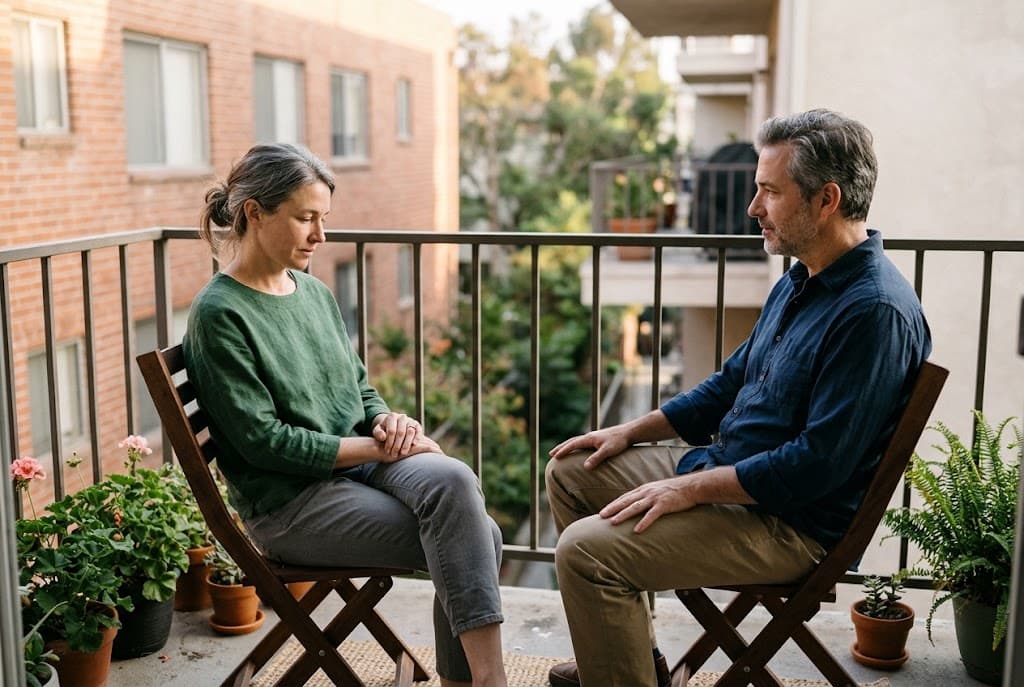
When might I need more support?
You do not have to wait for a certain number of days or decide that your grief is serious enough before asking for help.
If distress is making sleep, eating, or necessary daily care difficult, or thoughts about what happened feel hard to manage alone, consider speaking with a qualified mental-health professional. You can also look for a pet-loss support group or someone who understands the significance of losing an animal companion. Cornell’s pet-loss resources describe different grief experiences and available forms of support.
You can begin that conversation with the part that matters most: It happened suddenly. I wasn’t prepared.
This article offers non-clinical reflection, not an assessment of your health or a treatment plan.
You do not need to turn yesterday into a farewell it never was. It was a day you spent believing there would be another one.
For now, you can be honest about both things: your dog has died, and you were not ready for the world to change that quickly.
There can be room to say that before you know what comes next.