My Dog Died and I Feel Empty: Finding a Shape for the Day
By PetMemorium
- Published:
- Last updated:
It is 5:30, and you have half an hour you never used to have.
That time belonged to your dog. A walk, a meal, a little negotiation over which direction to go. Now you look at the clock and cannot quite decide what happens next.
You have things to do. That is not the same as having somewhere to put this part of the day.
If your dog died and you feel empty, you do not have to turn the whole day around at once. Start with one stretch of time that feels especially difficult. Give it a small, manageable shape—not to replace your dog, but to make that particular stretch less directionless.
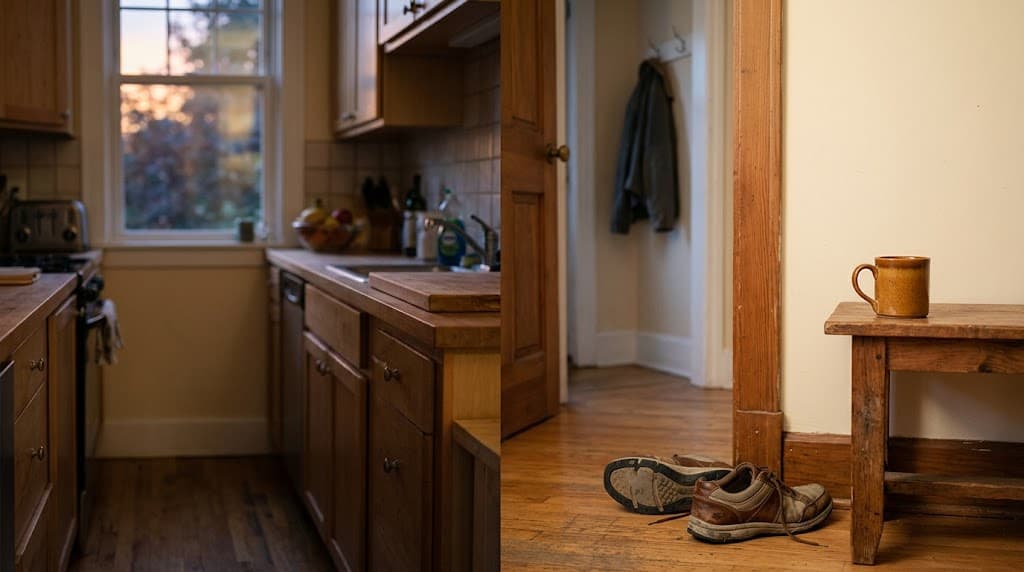
What is missing from this part of your day?
The answer may be more specific than “everything.”
At lunchtime, you used to leave your desk to let your dog outside. In the evening, someone needed feeding before you thought about your own dinner. Before bed, there was one last small task.
Those routines held different things: movement, responsibility, company, an excuse to stop working.
Think about one empty stretch and ask, “What used to happen here?”
You do not need a complete answer. “This was when I went outside” gives you somewhere to begin. So does “This was when I stopped being alone with my work.”
For more about missing the individual habits behind those routines, this article about the little things we miss explores that side of the loss. Here, the question is what to do with the time left open.
Try one small plan for one difficult stretch
Choose a plan small enough that it does not become another demand.
If the hardest gap comes after work, you could decide: change into comfortable clothes, make something to eat, and sit somewhere other than your desk for ten minutes.
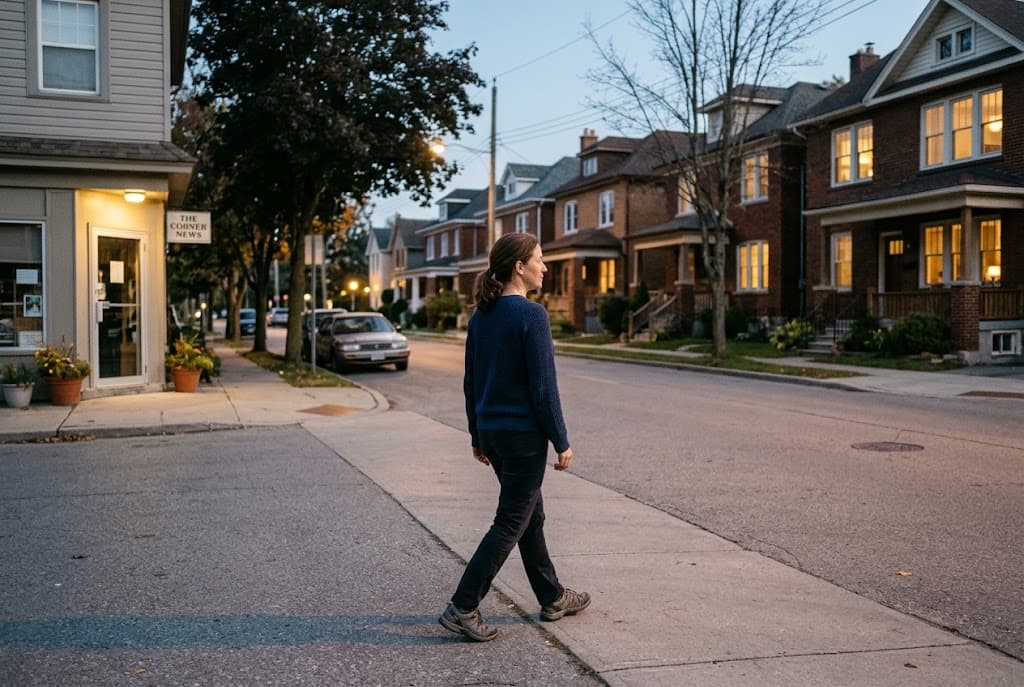
If you miss going outside, walk to the end of the street or take a different short route. You do not have to repeat your dog’s walk if that feels too difficult. You do not have to avoid it forever, either.
Try the plan once. Afterwards, ask whether it made that stretch any easier to move through.
If not, change it. The aim is not to prove that you can manage without your dog. It is to stop facing the same open space without even a small idea of what comes next.
You can change a space without erasing your dog
A bowl beside the cupboard or a bed in the corner can make a room difficult to use. Keeping those things close can also feel important.
You are allowed to make a practical decision without turning it into a statement about your love.
Move the bed temporarily if you cannot bear seeing it from your chair. Leave it where it is if moving it feels wrong. Put a few things somewhere safe rather than deciding their permanent place today.
Before someone helps tidy, tell them what must stay untouched.
You might say, “Please leave his blanket where it is. I would appreciate help with the dishes.”
That gives someone a useful way to help without asking you to surrender choices you are not ready to make.
Let company be company, not a replacement
There may be an hour when you particularly miss having another living presence nearby.
You can ask someone to share that hour without asking them to fix it.
“Could we eat together on Wednesday? Evenings feel strange without her” is enough. So is asking a friend to stay on the phone while you cook.
Ordinary conversation is allowed. You do not have to discuss your dog the entire time, and you do not have to keep the conversation light if their name comes up.
Nor does the empty space require a new dog. That is a separate choice, not an obligation created by a quiet home.
Keep the dog distinct from the gap
Your dog was more than the work of caring for them. They had particular ways of doing things that another activity cannot reproduce.
When you want to remember, choose something true: how they approached their food, the pause before settling down, or the toy they carried from room to room.
You do not have to make every difficult evening into a memory exercise. Some evenings can simply be evenings you get through.
You do not have to fill all the space
Some parts of the day may remain quiet. You do not have to assign every minute a purpose.
For now, one meal, one small plan, or one person expecting to hear from you can be enough to arrange.
The next time 5:30 comes around, you can have something modest waiting for you. Not something equal to the companionship you lost. Just somewhere to begin the evening.