I Miss My Dog So Much: It’s the Little Things I Miss Most
By PetMemorium
- Published:
- Last updated:
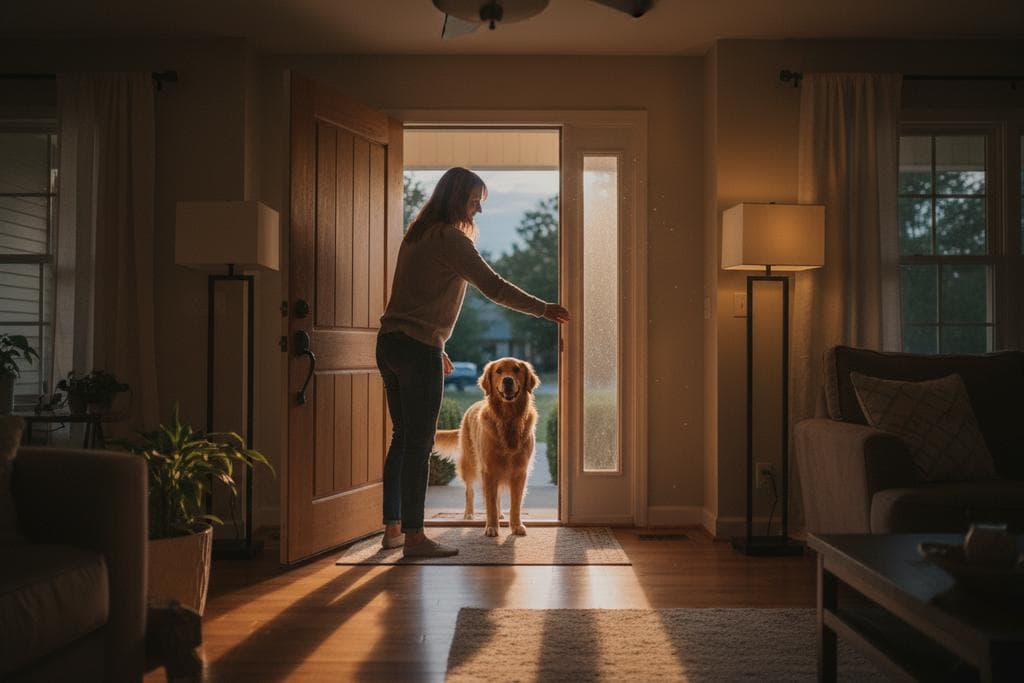
You turn the key and open the door. For a moment, you expect the familiar sound.
Maybe it was nails on the floor. A collar jingling. Or just the soft movement of a dog getting up because you were home.
Now you hear yourself putting down your keys.
You may know exactly why the house is quiet and still find yourself looking toward their spot. You might get through a busy afternoon, then feel their absence while making dinner.
“I miss my dog so much” can mean all of this. Not just missing a beloved dog, but missing the small exchanges that used to fill a day.
You can begin small, with one of those exchanges.
Why do I miss my dog so much?
You may miss your dog so much because their companionship was part of ordinary life: how you woke up, came home, took breaks, and settled down at night.
Your dog might have followed you between rooms, or preferred their own corner but lifted their head whenever you moved. Even when you weren’t doing anything together, you knew where they were.
After a dog has passed away, there can be so many moments when you would once have turned toward them. A sunny afternoon meant a walk. Finishing work meant a greeting. Going to bed meant checking that they were comfortable.
You aren’t only missing something that happened in the past. You may be missing the part they would have had in today.
That gives a question like “Why am I still thinking about them?” a very ordinary answer: there is a lot in your day that reminds you of life together.
Why do I miss the little things most?
The little things hold details that a description like “a loving dog” cannot.
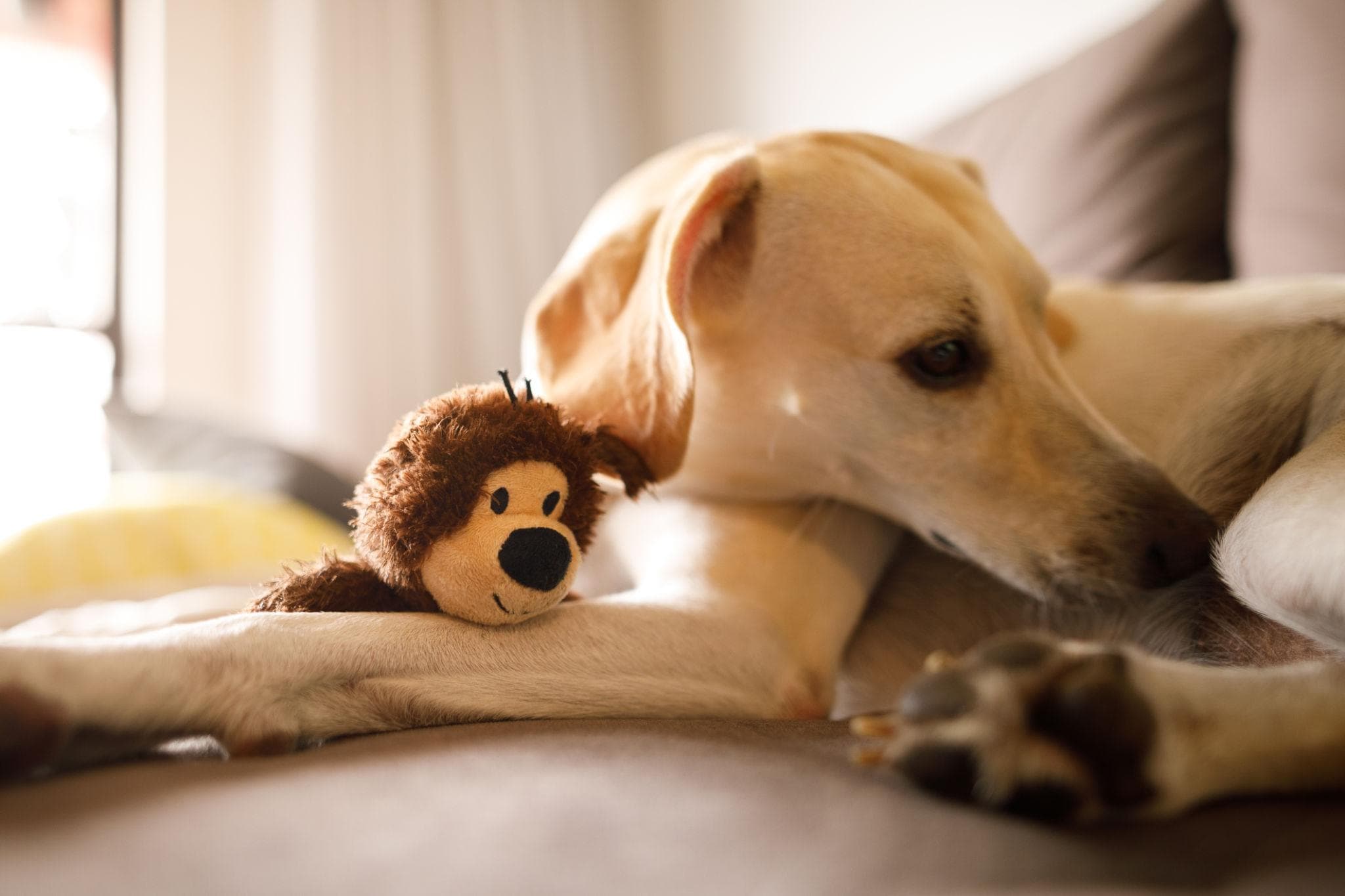
For your dog, waiting for dinner might have meant standing just outside the kitchen, pretending not to watch, then appearing the instant you touched their bowl.
Playtime could have meant bringing you a toy and refusing to let go. Or carefully choosing one battered ball over every new one.
At bedtime, they might have turned around several times before lying down. Stretched one paw against your leg. Let out a long sigh once the room was dark.
Yours may have been quiet, untidy, stubborn, easily distracted, or particular about the strangest things.
When you say, “I miss my dog,” perhaps it’s one of those things you mean.
The unfinished game. The hopeful look. The way you used to move your feet to make room.
What can I do when I suddenly miss my dog?
You don’t have to turn every difficult moment into a memory project.
If looking through photographs feels like too much, close them. If you want company, you could message someone who knew your dog: “I’m missing them tonight. Do you remember how they used to…?”
You can also give yourself a smaller choice. Stay with one memory for a moment, write down a few words, or leave it for another day.
If “I miss my dog so much it hurts” is all you have words for, you don’t need to produce a more hopeful sentence.
And if a particular detail comes with the feeling, you can catch just that detail:
“The little snort before a walk.”
“The left side of the sofa.”
“The way they checked whether I was following.”
A fragment is enough. You don’t have to explain the whole relationship every time you miss them.
A small memory exercise: one ordinary moment, three lines
When you feel like remembering, choose a moment that happened often. Not necessarily a birthday or a favorite trip. Something as familiar as coming home.
On paper or in a phone note, write three short lines.
1. Where were we?
Start with a place and an ordinary cue.
“At the front door, when I came home from work.”
2. What did my dog actually do?
Describe one movement or sound you remember.
“They picked up a slipper and carried it toward me.”
Be as specific as you can without guessing. Did they hurry or take their time? Was there a sound? If you aren’t sure, leave that part open.
3. What did I do next?
Put yourself back into the shared moment.
“I waited for them to reach me before putting my bag down.”
These example lines are imaginary; yours may describe something completely different. The point is to keep an exchange, not just a list of your dog’s qualities.
You might give the note a plain title: “The slipper greeting.”
Then stop, if you like. Three lines can be the whole exercise. It doesn’t need to become a daily habit, a polished story, or something anyone else reads.
How can I keep my dog’s habits and stories?
A photograph can hold a face beautifully. A few words beside it can hold what was happening just outside the frame.
Instead of captioning a picture “Our walk,” you might add which route your dog insisted on taking, where they paused, or what they were watching. Include only what you remember about that occasion.
For sounds, look through recordings you already have, if you want to. A video that seemed unimportant at the time might contain their sleepy breathing or the sound of their paws. Keep the original file and note where that moment appears.
You can ask someone who knew them for one ordinary memory, too. Let their version sit beside yours. You don’t need to turn two different recollections into one certain account.
Keep the funny and inconvenient details as well as the tender ones. A sock thief, a suspicious relationship with the vacuum cleaner, an elaborate refusal to go out in the rain—only if those things were truly theirs.
There is no requirement to make your dog sound perfect. Specific is more personal than perfect.
Where can I keep these memories?
They can belong in a notebook, a folder of photographs with captions, or a place online that you choose to keep private or share.
Choose something you would feel comfortable returning to. You don’t need an audience, and you don’t owe anyone regular updates.
Whatever you use, start with what you already know. Their favorite place to wait. The word that made their ears move. One small story you can still picture.
You don’t have to remember everything today
Some days you may want to write. Other days you may just want to say their name.
An unfinished note is allowed to stay unfinished. You can miss your dog without turning that feeling into something useful.
If you want a small place to begin, try this:
“One thing you did that was so completely you…”
Finish the sentence in your own words. Keep it on paper or in your phone.
It doesn’t have to sum up their life.
It can simply be the thing you thought of when you opened the door.