How to Comfort Someone Who Lost a Pet: What to Say and How to Help
By PetMemorium
- Published:
- Last updated:
You have their message open on your phone. Their dog has died. Or the cat whose name you knew almost as well as your friend’s is gone.
You type a sentence, erase it, and worry that anything you say will sound too small.
You do not need words equal to the size of their loss. Start by acknowledging it, use their pet’s name if you know it, and offer support that does not make them responsible for directing you through every step.
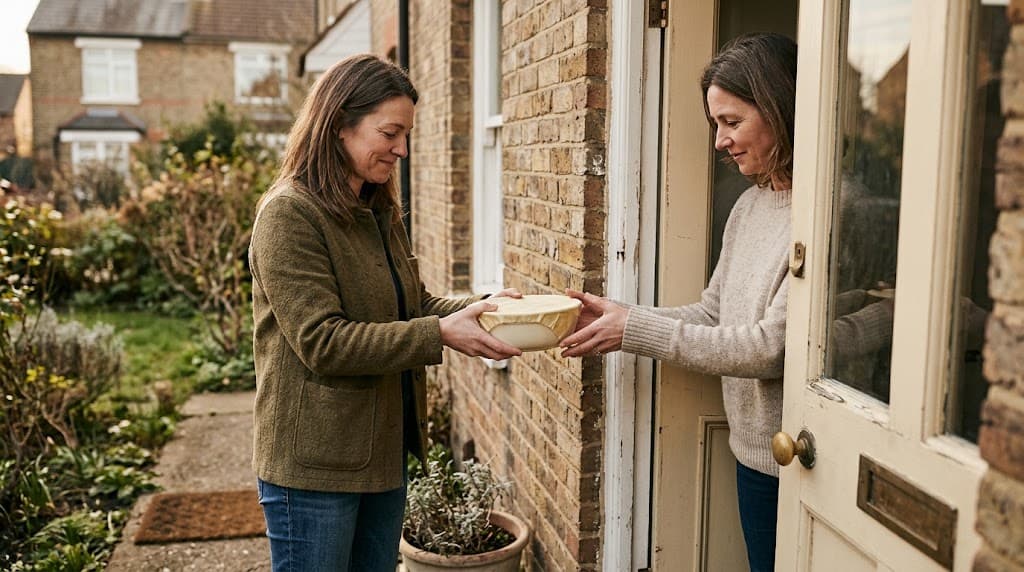
Comfort can be a message that asks nothing back. Dinner they do not have to plan. A conversation in which they are allowed to tell the same small story again.
What can you say when someone loses a pet?
A simple, personal message leaves more room than an explanation.
You could write:
“I’m so sorry about Milo. I know how much he was part of your everyday life. You don’t need to reply, but I’m here.”
If you knew their pet, include something you genuinely remember: the dog who carried a toy to every visitor, or the cat who inspected your bag before allowing you to sit down.
“I’ll remember how she always came to investigate my shoes” says something different from a general expression of sympathy. It recognizes the particular animal your friend loved.
If you did not know their pet, do not invent a connection. “I know she mattered so much to you” is enough.
You can also be honest about not knowing what to say:
“I wish I had better words. I care about you, and I’m sorry.”
There is no need to add a lesson, a reason, or a bright side.
Offer something they can accept without organizing it
“Let me know if you need anything” is kind. A specific offer can be easier to answer.
Try giving one manageable option:
- “I’m getting groceries tomorrow. Can I pick up a few things for you?”
- “Would dinner left at your door on Thursday help?”
- “I can take that errand off your list. Would you like me to?”
Make it easy to decline, too. “No pressure if that wouldn’t help” should mean exactly that.
Ask before visiting. A friend who wants company may appreciate an ordinary hour together: tea, a familiar television show, or someone sitting nearby while they finish a task. Another person may want the evening alone.
You do not have to turn every visit into a conversation about grief. Ask, “Would you like to talk about her, have a distraction, or just spend some time together?”
Then follow their answer.
Leave room for their pet’s name—and their silence
Your friend might want to describe what happened. They might only want to talk about how their dog used to fall asleep with one paw touching their foot.
Let them choose where the conversation goes.
If they ask for your view, listen to the question they are actually asking. If they have not invited a discussion about medical decisions or the circumstances of the death, do not interrogate those details.
Avoid sentences that try to settle the loss for them:
“At least you had a long time together.”
“You can get another one.”
“You need to stay busy.”
Instead, respond to what they have shared. If they say the mornings are difficult, “That first part of the day sounds very lonely” acknowledges the morning they are describing without telling them how to feel.
If they become quiet, you can be quiet, too. They do not need to produce a conversation to justify your company.
For a closer sense of the everyday moments someone may be missing, this article about missing a dog offers one perspective—not a script for how your friend must feel.

Ask before making a memorial or changing anything
A framed photograph may be welcome. It may also arrive before your friend wants something permanent on display.
Before arranging a tribute, posting photographs, organizing a collection, or bringing a gift, ask. Keep their loss private unless they have agreed to share it.
The same care applies inside their home. Do not wash the blanket, pack away the bowls, or move the bed because you think the empty space will be easier. Those decisions belong to them.
If you have a photograph, offer it without requiring an immediate response:
“I found a picture of Luna from that afternoon together. Would you like me to send it now, or keep it for later?”
Let “not now” remain a complete answer.
Check in without asking them to prove they are better
Support does not have to end after the first exchange of messages.
A later check-in can be small: “Thinking of you today. Would a short walk together feel good?” If you genuinely remember something about their pet, you can ask whether they would like to hear it.
Avoid turning every conversation into an assessment: “Are you doing better now?” Your friend may not have a neat answer.
Keep inviting them into ordinary life without making attendance a test. They can decline dinner, laugh during a film, or mention their pet halfway through another conversation. You do not need to interpret each moment.
Let your care be ordinary and dependable
You do not have to find a sentence that makes the loss feel all right.
You can remember the pet’s name. Bring the groceries you offered to bring. Accept a quiet visit. Answer when your friend says, weeks later, “I miss her today.”
You might simply say, “Would you like to tell me about her?”
Then give them time.