I Miss My Cat So Much: The Places I Still Look for Them
By PetMemorium
- Published:
- Last updated:
The chair can be empty and still be their chair.
You might look toward it while carrying a cup of tea, expecting a curled back or one ear above the cushion. At your desk, there may still be a corner you leave clear without quite meaning to.
Your cat has passed away. You know that. Yet a room can bring them to mind before you’ve put the feeling into words.
“I miss my cat so much” can mean missing the way they occupied a home: the places they chose, the routes they took, and the exact amount of space they wanted between you.
Not a cat in general. The one whose whereabouts you used to know.
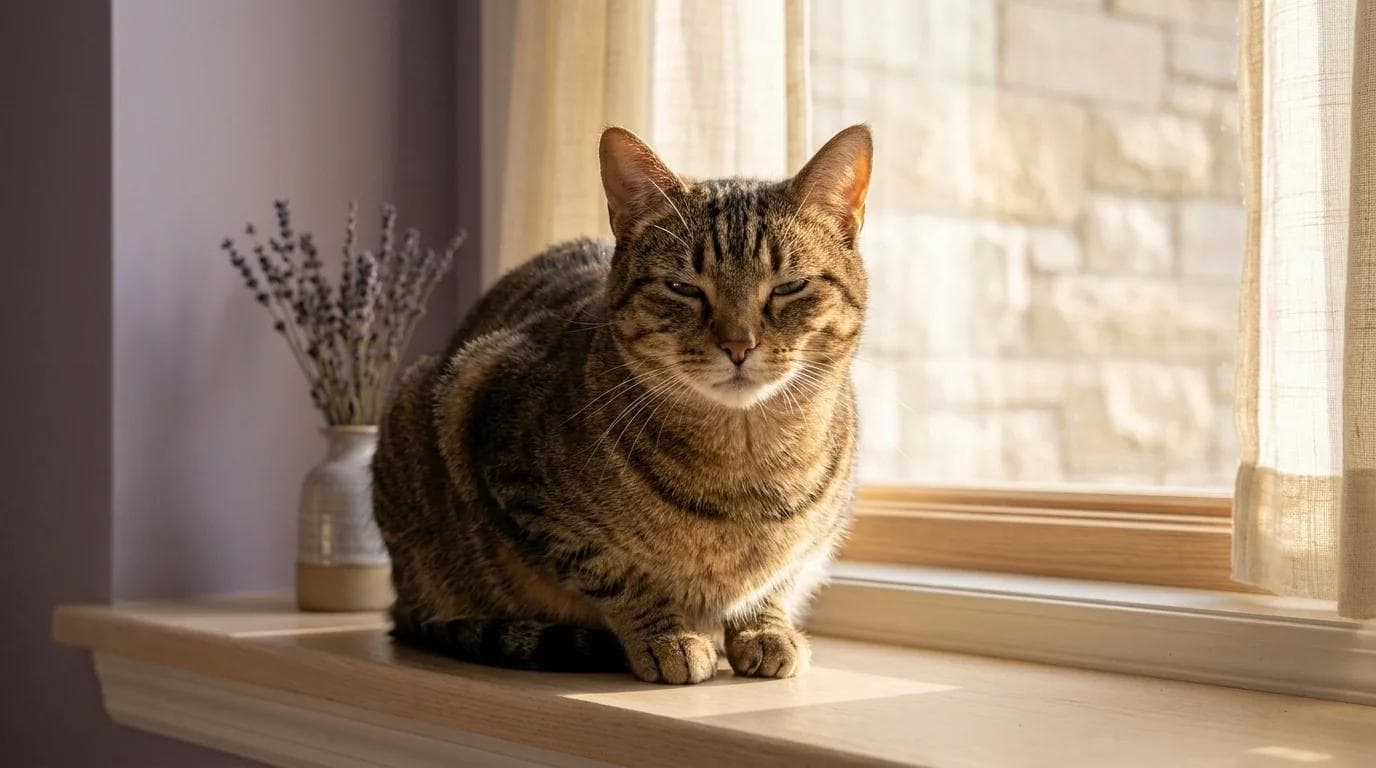
Why do I still look for my cat in their usual places?
Those places were part of how you knew your cat. A windowsill wasn’t only a windowsill; it was somewhere you could find them at a certain hour.
You may still glance there because that was an ordinary part of living together. Looking doesn’t have to mean you’ve forgotten what happened. It can simply be a familiar action that now ends differently.
Perhaps you used to check the armchair before sitting down, or glance behind the curtain before closing it. Those small considerations gave your cat a place in your movements, even when neither of you asked anything of the other.
Now the curtain hangs straight. The cushion stays smooth.
What you miss may be the interruption as much as the company: having to move a book, leave a door ajar, or wait while someone finished inspecting the spot you needed.
Can I miss a cat who wasn’t especially cuddly?
Yes. You can miss a cat’s company even if they rarely sat on your lap. The relationship may have lived in where they chose to be, not how often you could hold them.
A cat who settled just beyond your reach could still be part of every evening. You knew the shape they made on the other end of the sofa. You could look up from a screen and find them looking elsewhere, both of you doing your own thing in the same room.
Or yours was the opposite: a determined lap occupant, arriving before you’d made space, then expressing clear disapproval when you stood up.
There is room to remember either, and all the less tidy versions in between. The affectionate head bump followed by an abrupt departure. The sound from the hallway that seemed reserved for calling you. A paw laid on your notebook just as you started writing.
When you say, “I miss my cat,” you don’t need to make the relationship look like anyone else’s. The distance they preferred was part of knowing them, too.
A Little Map of Your Cat’s Favorite Places
Try making a small map of three places your cat spent time. It can be a rough sketch of a room, three circles on paper, or three labeled photos. No drawing skill is needed.
At each place, add one specific thing you remember. The suggestions below are starting points, not claims about what your cat must have done.
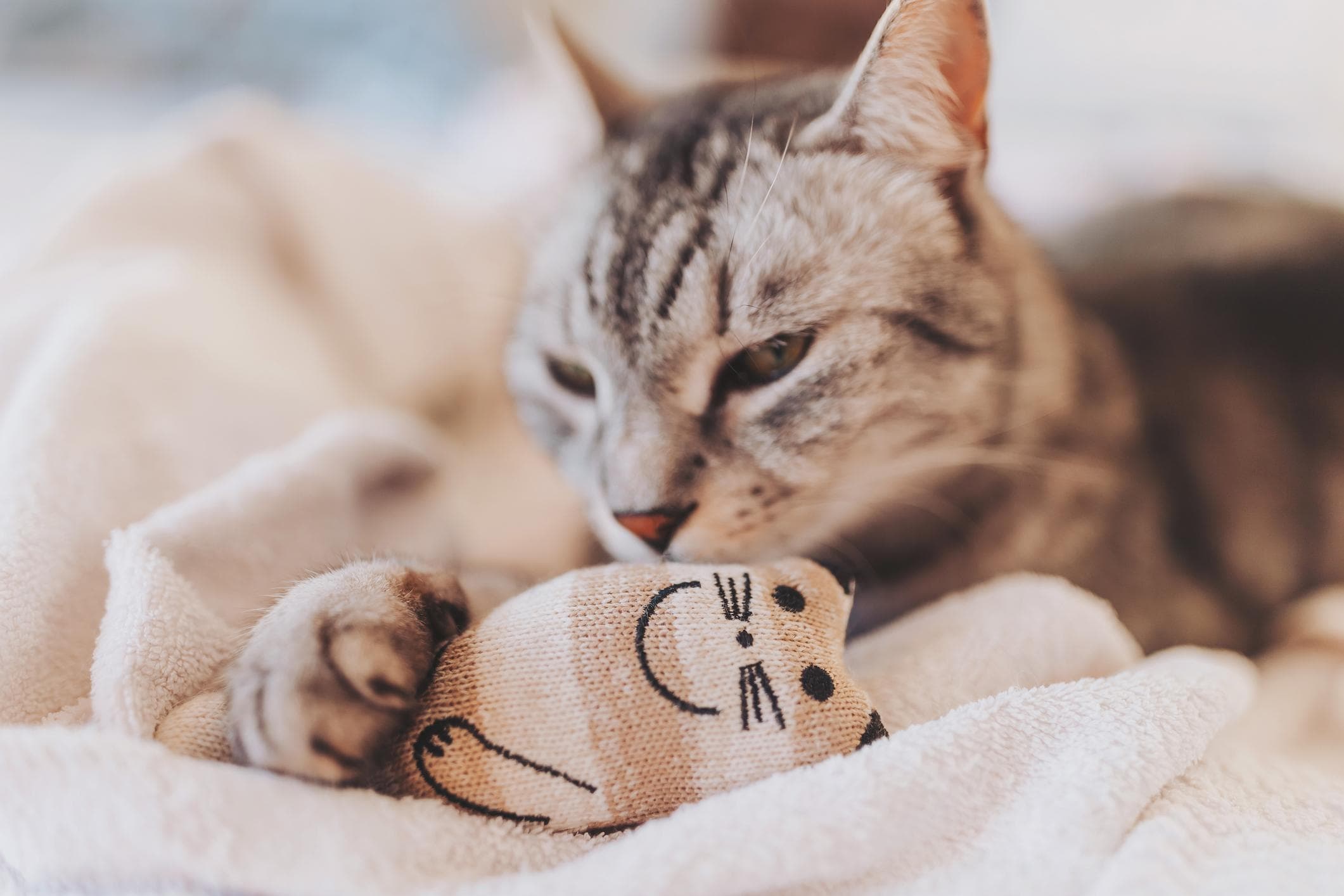
A place where they watched
Choose a spot from which your cat observed something: a window, a landing, the top of a cupboard.
What held their attention there? Use one detail you actually recall. An imaginary example would be: “Kitchen window — the tail tip moved whenever a bird landed on the fence.”
You don’t have to know what they were thinking. The movement you saw is enough to record.
A place where they rested
Mark a sleeping or resting place, including an unlikely one if that was their preference.
Instead of simply “the blanket,” you could note which fold they settled into, whether they tucked their nose underneath it, or how they arranged themselves around a warm patch.
An example label might be: “Blue chair — one front paw always hung over the edge.” Only use “always” if that’s what you genuinely remember; “sometimes” is just as useful.
A place where your days crossed
Choose somewhere your cat’s routine met yours: beside the keyboard, next to the bathroom door, or on a chair near the table.
What was distinctive about sharing that space?
For example: “Desk — they nudged the corner of my notebook until I moved it.” Your own memory might have no nudging, no sound, and no contact at all. Being nearby can be the detail.
When you finish, the page holds three places and three things about your cat. Give it a name that feels like yours: “Your spots around the flat,” or simply their name.
If only one place comes to mind, leave the other two circles empty. This isn’t a test of how much you remember.
What if one of those places is too painful to look at?
You don’t need to preserve your home exactly as your cat left it.
A blanket can stay where it is, be folded away, or be washed when you’re ready. You can use the chair again. Changing a room doesn’t require you to change what you remember about them.
If “I miss my cat so much it hurts” is what comes up when you pass a spot, you can put the map aside. It isn’t a task you need to complete in that moment.
You could choose a different place to sit, or tell someone, “That was their afternoon spot. I’m finding it hard to see it empty today.” You don’t have to explain why such a small area of the room matters.
And on a day when a memory makes you smile, you can let it be funny. Remembering a cat wedged into a box far too small for them doesn’t need a sad ending added to it.
How can I keep these memories if my home changes?
Let the map hold the details the room can’t keep forever.
Before moving a piece of furniture, you could take a photo from the angle where you usually saw your cat. Add what the picture alone won’t show: the time of day they chose it, or the little sound they made before jumping up.
If an old video captured their purr or a familiar chirrup, keep the original and note the moment you want to find again. You can connect it to a place on your map without turning the whole collection into a project.
For uncertain details, leave a question mark. “Was it this chair or the one by the shelf?” is more honest than filling a gap with something that sounds right.
You can also ask someone who shared the home to mark one place they remember. They may point out a corner you rarely noticed. Keep their account as theirs, alongside your own.
A home for the memories, not a room you have to keep unchanged
Your map can stay in a drawer. It can sit beside a photo, or become the beginning of a small collection of stories. Nothing about it has to be public.
You can keep the map just as it is.
The chair may one day stand in another room. Someone else may use the desk. You can still keep the detail that made either place theirs.
“This was where you…”
Start with the place you looked toward first.